
On one hand, advocates argue for consumer ownership and the "Right to Repair." If a consumer owns a piece of hardware, they should have the right to modify, repair, and access it, even if they forget the credentials. Tools like TunesKit provide a commercial pathway to exercising that ownership without relying solely on the original manufacturer, which may require proof of purchase or charge high service fees.
From a consumer perspective, these features are highly desirable. For an individual who has forgotten their passcode or purchased a second-hand device with a remaining lock, such a tool promises to restore access to expensive hardware. The interface is typically designed to be user-friendly, guiding non-technical users through the recovery process without requiring the complex commands often associated with device flashing or recovery modes. The Myth of the "Free" Download TunesKit iPhone Unlocker for Mac Free Download
The primary appeal of TunesKit iPhone Unlocker lies in its promised utility. The software claims to remove several types of screen locks, including 4-digit and 6-digit passcodes, Touch ID, and Face ID. Additionally, it offers features to remove Apple IDs without passwords, bypass Screen Time passcodes, and remove Mobile Device Management (MDM) profiles. On one hand, advocates argue for consumer ownership
The existence and use of iPhone unlocking tools raise significant security and ethical questions. For an individual who has forgotten their passcode
The free download usually allows users to install the software and scan their device to verify connectivity. However, to execute the actual unlocking process, users are almost always required to purchase a license.
The phrase "Free Download" in the context of utility software like TunesKit is often a marketing strategy that requires careful scrutiny. Typically, these applications operate on a "freemium" model.
On the other hand, Apple’s security architecture—including the Secure Enclave and advanced encryption—is designed specifically to prevent unauthorized access. Tools that claim to bypass these protections potentially undermine the security model that protects user data from theft and unauthorized surveillance. While these commercial tools often rely on standard recovery protocols (like putting the device into DFU mode and restoring it, which erases user data anyway), the marketing sometimes blurs the line between data recovery and data breach. Conclusion
 Badd Ass
 Alpha
Alpha After Forever
 Harris
 Riding the Heir
 Falling Away
 Badd Mojo
 Big Badd Wolf
 Falling Under
 Good Girl Gone Badd
 Stripped
 Badd Luck
 Exposed
 Big Girls Do It Better
 Beta
Beta Falling into You
 Omega
Omega La Vita Sexy
 Thresh
 Saving Forever
 Big Girls Do It Wetter
 Rock Stars Do It Dirty
 Falling for Colton
 Big Girls Do It on Christmas
 Badd Boy
 Falling into Us
 Trashed
 Wounded
 Badd Motherf*cker
 Unbroken
 Badd to the Bone
 Rock Stars Do It Harder
 Big Girls Do It Pregnant
 Yours
Yours The Mile High Club
 Madame X
 Captured
 Unbound
 A Real Goode Time
 A Wild Ride
 The Parent Trap
 Forever & Always
 Goode To Be Bad
 Married in Michigan
 Badd Daddy (The Badd Brothers Book 12)
 Nailed
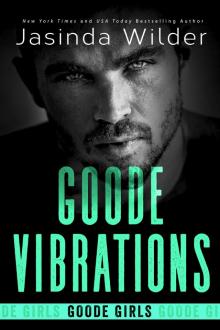 Goode Vibrations
 Big Girls Do It on Top
 Not So Goode
 Pregnant in Pennyslvania
 Rock Stars Do It Forever
 Cowboy in Colorado (Fifty States of Love)
 Lear: Alpha One Security: Book 5
 A Sexy Journey
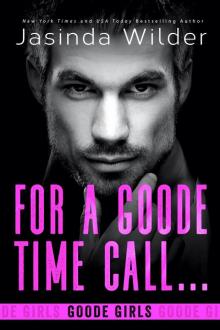 For A Goode Time Call...
 The Naughty Boxset
 Lear
Lear Sexy Surrender
 Pregnant in Pennsylvania
 Autumn Rolls a Seven (Billionaire Baby Club Book 2)
 Laurel's Bright Idea (Billionaire Baby Club Book 3)
 The Black Room: Door Six
 The Long Way Home
 Jack and Djinn
 The Nice Boxset
 The Black Room: The Deleted Door
 Wish Upon A Star
 The Black Room: Door Eight
 Drilled
 Big Girls Do It Wilder
 Djinn and Tonic
 Biker Billionaire #2: The Mile High Club
 Badd Ass (Badd Brothers Book 2)
 The Black Room: Door One
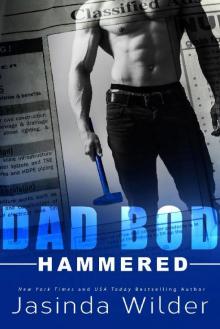 Hammered
 The Black Room: Door Two
 Delilah's Diary #1: A Sexy Journey
 Delilah's Diary #2: La Vita Sexy
 Badd Medicine
 Caught in the Surf
 Puck: Alpha One Security Book 4
 The Preacher's Son: Unleashed
 Biker Billionaire Boxed Set
 Forever & Always: The Ever Trilogy (Book 1)
 Exiled (A Madame X Novel)
 Big Love Abroad (Big Girls Do It Book 11)
 Badd Kitty
 Yours: A Standalone Contemporary Romance
 Falling for Colton (Falling #5)
 The Preacher's Son #2: Unleashed
 There's No Place Like Home (The One Series Book 3)
 Trashed (Stripped #2)
 Thresh: Alpha One Security: Book 2
 Biker Billionaire #3: Riding the Heir
 Duke: Alpha One Security: Book 3
 Saving Forever (The Ever Trilogy: Book 3)
 The Preacher's Son #1: Unbound
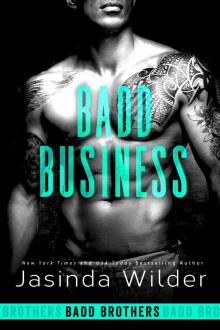 Badd Business
 Big Girls Do It Boxed Set
 The Preacher's Son #3: Unbroken (Erotic Romance)
 The Black Room: Door Four
 There's No Place Like Home