



Dolby Atmos is very similar to DTS:X, but the technology itself is quite different. Both Atmos and DTS:X are object-based surround sound technologies, but Atmos puts more emphasis on height – so much so that Dolby recommends you install ceiling speakers to get the full benefit.
A 5.1 system (made up of five satellites and one subwoofer) with four Dolby Atmos speakers would be referred to as 5.1.4. 7.1.4 is the reference set-up for Dolby Atmos – in other words, the tech runs natively on a set-up comprising seven satellites, one sub and four Atmos speakers.
DTS:X has the edge in terms of sound quality because it supports higher bit rates - Dolby Atmos codecs are more efficient than DTS-X hence sound comparable or even better at a lower bit rate
The film succeeds by balancing two disparate tones. On one hand, it features the slapstick and snappy dialogue characteristic of 1960s comedies. On the other, the third act shifts into a tense thriller as the mission nears its objective. This transition reinforces the theme that heroism isn't reserved for those with the best equipment; it belongs to those with the ingenuity to use what they have. Conclusion
The narrative follows Lieutenant Rip Riddle, an officer tasked with commanding the USS Echo , a decrepit wooden schooner. Unlike the sleek battleships or nimble PT boats typically celebrated in war films, the Echo is a "sailing ship" tasked with a mission only a low-profile vessel could achieve—slipping through shallow, mine-filled waters behind Japanese lines to plant a scout. The Wackiest Ship in the Army
The comedy stems from the "fish out of water" trope. Riddle is a professional sailor forced to train a crew of landlubbers who don't know a jib from a mainsheet. This creates a classic underdog arc where a ragtag group of misfits must master an archaic technology to prove their worth to the modern military machine. Historical Roots The film succeeds by balancing two disparate tones
The Wackiest Ship in the Army remains a charming example of the "military comedy" subgenre. It celebrates the ingenuity of the individual over the rigidity of the institution, suggesting that in the chaos of war, sometimes the most ridiculous-looking plan is the only one that actually works. This transition reinforces the theme that heroism isn't
While the title suggests pure farce, the story is loosely based on the real-life exploits of the USS Echo , a New Zealand trade vessel transferred to the U.S. Navy in 1942. The actual ship served as a supply vessel in the Pacific, and its wooden hull made it less susceptible to magnetic mines—a detail the film uses to elevate the ship from a joke to a strategic asset. By grounding the "wackiness" in a kernel of truth, the story honors the unconventional methods often required in the Pacific Theater. Themes and Tone
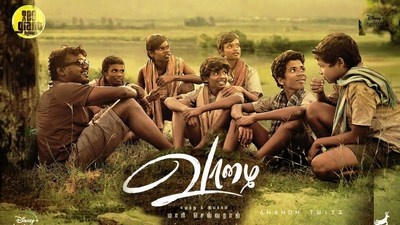
Music: Santhosh Narayanan
Artists: Various
Codec: E-AC-3 JOC (Dolby Digital Plus with Dolby Atmos)
Download
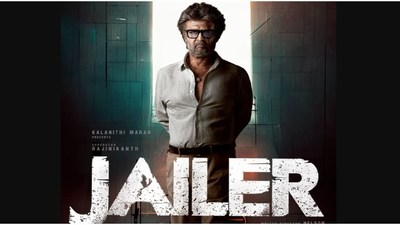
Music: Various
Artists: Various
Codec: DTS-HD Master Audio (dtshd)
Download

Music: Dev Prakash
Artists: Sam Vishal
Codec: DTS-HD Master Audio (dtshd)
Download
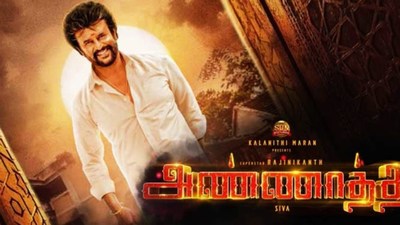
Music: D. Imman
Artists: Various
Codec: DTS-HD Master Audio (dtshd)
Download

Music: Various
Artists: Various
Codec: Dolby Digital Plus (E-AC-3)
Download
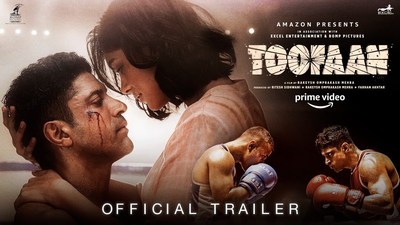
Music: Shankar–Ehsaan–Loy
Artists: Various
Codec: DTS-HD Master Audio (dtshd)
Download

Music: Prashant Pillai
Artists: Mathangi Jagdish, Preeti Pillai, Gagan Baderiya, Hafiz Khan
Codec: Dolby Digital - A52 Audio (aka AC3) (a52 )
Download
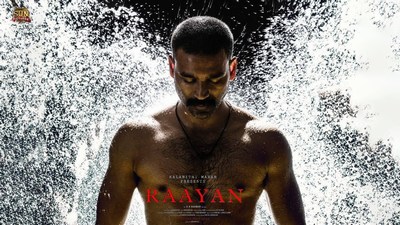
Music: A.R.Rahman
Artists: A. R. Rahman, Ganavya Doraisamy
Codec: DTS Audio (dts wav)@1411 Kbps
Download
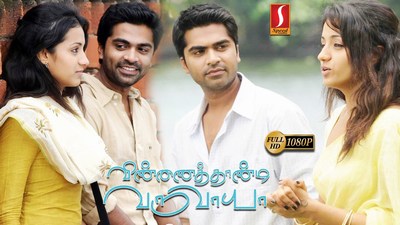
Music: A. Rahman
Artists: Vijay Prakash, Suzanne, Blaaze
Codec: DTS Audio (dts@768)
Download

Music: Prasad Sashte
Artists: Anirudh Ravichander
Codec: DTS Audio (dts)@768 Kbps
Download