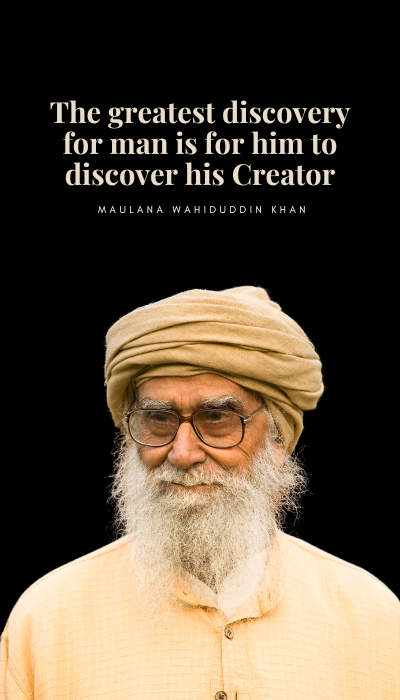
The Creator of man has created him as per a particular plan, according to which man must spend a period of trial in this present, imperfect world, and after this, according to his deeds, he will earn the right to inhabit the perfect and eternal world, another name for which is Paradise.
Learn more

Moonlit Winter Instant
The primary driver of the winter moon’s intensity is the . Freshly fallen snow can reflect up to 90% of incoming light. On a night with a full or near-full moon, this high reflectivity creates a "secondary sun" effect, where the ground itself becomes a source of ambient light.
Moonlit winter is not a void; it is a pressurized state of existence. Beneath the frozen surface, life is held in a state of high-tension waiting. The moonlight serves as a witness to this dormancy, providing a stark, beautiful clarity to a world in hibernation. It is a reminder that even in the deepest "death" of the seasonal cycle, there is a luminescent grace that requires only the absence of sun and the presence of stillness to be seen. Moonlit Winter
The Silent Radiance: A Phenomenological Study of the Moonlit Winter I. Introduction: The Intersection of Stasis and Light The primary driver of the winter moon’s intensity is the
When the moon is out, the visual expansion of the horizon—seeing miles of illuminated white—contrasts sharply with this auditory compression. This creates a sensory paradox: the world looks vast and open, but sounds as though it is wrapped in velvet. This "profound silence" forces a shift in human consciousness from external observation to internal reflection. IV. The Psychological Impact: Solitude vs. Isolation Moonlit winter is not a void; it is
We could dive deeper into the of the winter moon or perhaps focus on the scientific specifics of light scattering in ice crystals.