


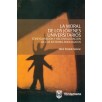











Man As Witch: Male Witches In Central Europe | WORKING • REPORT |
: Approximately one in four (25%) accused witches in Central Europe was male.
Men accused of witchcraft often shared specific social characteristics that made them vulnerable: Man as Witch: Male Witches in Central Europe
: Accusations often targeted men who did not fit the era's ideal of traditional masculinity; being called a witch was frequently an attack on a man's virility or social standing. Common Accusations and Legal Context : Approximately one in four (25%) accused witches
: Most were poor peasants or artisans, representing a sample of the ordinary population rather than social elites. The historical guide to male witches in Central
The historical guide to male witches in Central Europe, particularly based on the seminal work Man as Witch: Male Witches in Central Europe by Rolf Schulte, reveals that men were a significant but often overlooked demographic in the early modern witch trials. Statistical Overview
While popular memory often associates witchcraft almost exclusively with women, the historical reality in Central Europe shows a different distribution:
: Many were seen as "weak" or "different," including those who were elderly, disabled, or mentally ill.