Final Dev Letter & FAQ
2025-01-29
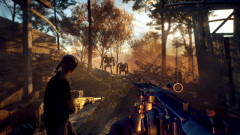
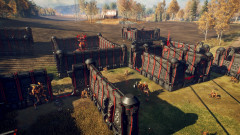
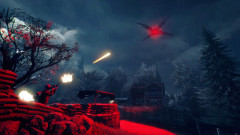
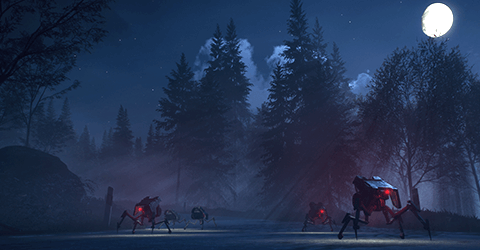
Explore a vast open world, rendered with the award-winning Apex engine, featuring a full day/night cycle with unpredictable weather, complex AI behavior, simulated ballistics, highly realistic acoustics, and a dynamic 1980’s soundtrack.
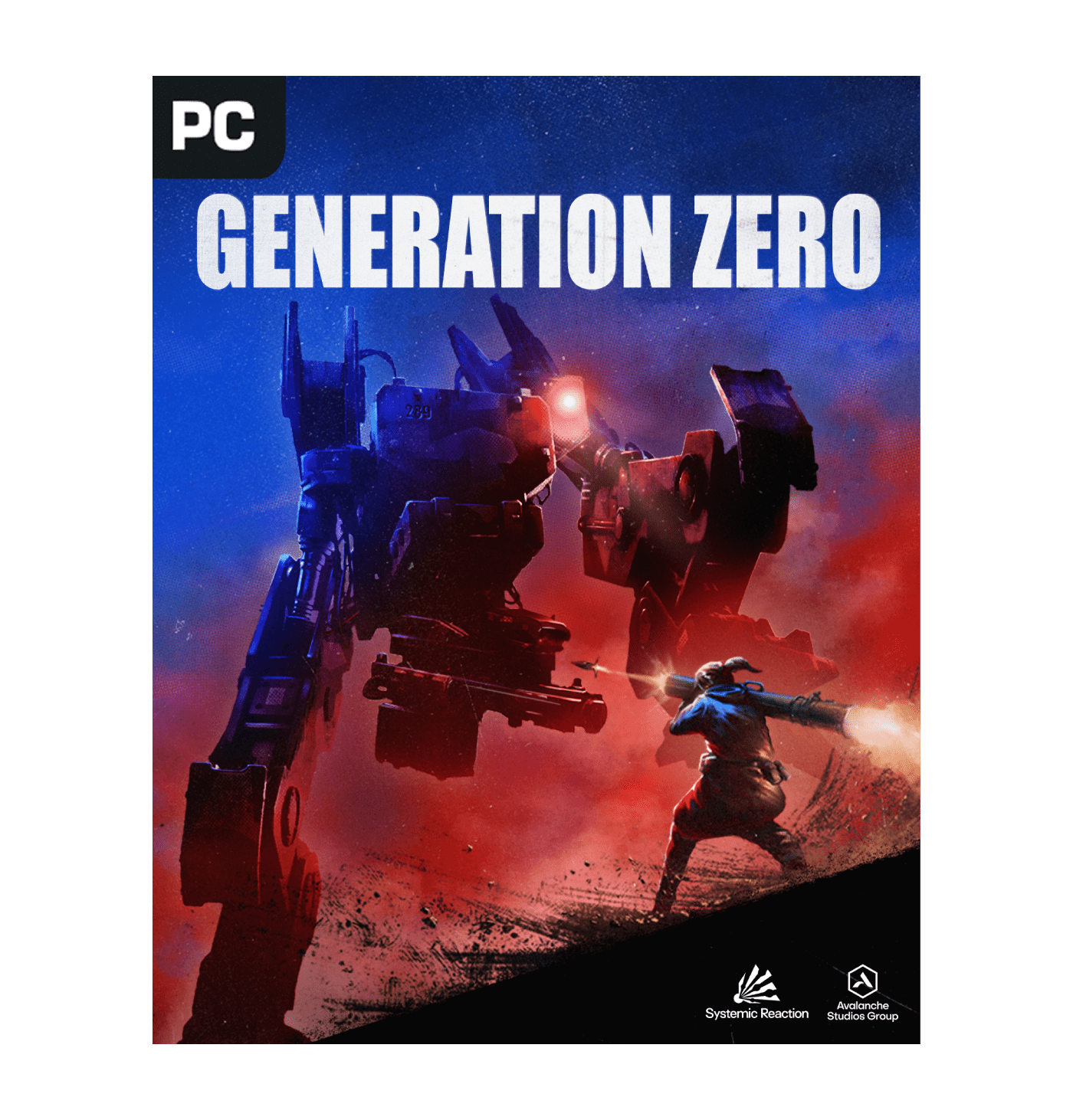
Experience an explosive game of cat and mouse set in a huge open world. In this reimagining of 1980’s Sweden, hostile machines have invaded the serene countryside, and you need to fight back while unravelling the mystery of what is really going on. By utilizing battle tested guerilla tactics, you’ll be able to lure, cripple, or destroy enemies in intense, creative sandbox skirmishes.
Go it alone, or team-up with up to three of your friends in seamless co-op multiplayer. Collaborate and combine your unique skills to take down enemies, support downed friends by reviving them, and share the loot after an enemy is defeated.
All enemies are persistently simulated in the world, and roam the landscape with intent and purpose. When you manage to destroy a specific enemy component, be it armor, weapons or sensory equipment, the damage is permanent. Enemies will bear those scars until you face them again, whether that is minutes, hours, or weeks later.
The second verse moves into a more intimate, domestic setting: "Feche a porta do seu quarto" ("Close the door to your room"). This shift highlights a deep-seated insecurity and a desire for control in the face of potential betrayal.
The track delves into a bitter social observation: the idea that those who know how to lie are often "stronger" in the social game. However, rather than pointing fingers, Russo admits his own fallibility, singing "Não quero lembrar que eu minto também" ("I don't want to remember that I lie too"). 2. Intimacy and the Fear of Loss
The song opens with the iconic line: "Sexo verbal não faz meu estilo" ("Verbal sex is not my style"). This immediately sets a tone of exhaustion with superficiality. Russo explores the idea that words are inherently flawed—errors that belong to the speaker.
Released on the 1987 album Que País É Este , "Eu Sei" stands as one of Renato Russo’s most vulnerable and enduring compositions. While the album is largely known for its aggressive punk critiques of Brazilian society, "Eu Sei" offers a stark, introspective contrast—a moment of quiet reflection amidst the political noise. 1. The Trap of Communication
Read the latest news from the Generation Zero development team.