Recommended
-
 Fanuc 0 Parameters Manual GFZ-61410E/03170 pages
 -
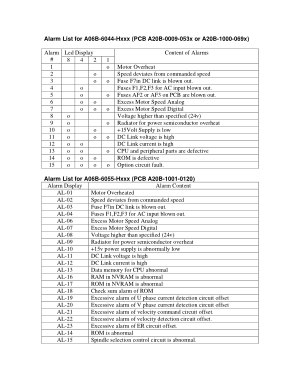 Alarm List for A06B-6044-Hxxx3 pages
 -
 CNC Milling Manual20 pages
 -
-

From an academic perspective, this represents the "democratization of surveillance." What was once the exclusive domain of intelligence agencies is now a standard feature for any smartphone user. By using a shared iCloud or Google account, or through features like "Family Sharing," one can see the real-time movement of another person without any additional financial cost. The Ethical Dilemma: Protection vs. Autonomy
In a purely technical sense, "free" tracking is built into the architecture of modern mobile operating systems. Apple’s and Google’s Find My Device are the primary examples. These tools rely on a mix of GPS, Wi-Fi triangulation, and cellular tower data to pinpoint a device’s location. How to Track Someone’s Phone for Free by Their ...
However, the ease of access introduces a slippery slope. When the same technology is used between consenting adults, it can morph from a tool of coordination into a mechanism of control. The psychological impact of "knowing where someone is at all times" can erode the fundamental trust that underpins human relationships. It creates a state of , where we willingly trade our autonomy for a perceived sense of security. The Legal and Digital Privacy Landscape Autonomy In a purely technical sense, "free" tracking
Furthermore, the search for "free" tracking solutions often leads users toward third-party "spyware" or "stalkerware." While these apps promise free services, they often "charge" the user in different ways—namely through the theft of data, the installation of malware, or the compromise of the target's digital identity. This creates a secondary ethical layer: the person attempting to track another often ends up compromising their own digital security in the process. Conclusion However, the ease of access introduces a slippery slope
Legally, the "free" aspect of tracking does not grant a "free pass" on consent. In many jurisdictions, tracking an adult’s phone without their explicit knowledge and permission is a violation of privacy laws and can even be classified as stalking or harassment.
Tracking someone’s phone for free is a capability born of a hyper-connected world, but its application requires significant moral friction. While the technology is simple—often requiring nothing more than a shared login or a "send location" tap—the implications are profound. As we move forward, the challenge is not how to track, but how to maintain the human right to be "lost" or private in an age where every movement can be rendered as a dot on a map.
The concept of tracking a phone for "free" often sits at the intersection of technological convenience, security, and a complex web of ethical and legal boundaries. While the digital age has made geolocation more accessible than ever, the methods used to achieve this—and the reasons behind them—reflect a deep-seated tension between our desire for connectivity and our right to privacy. The Mechanics of Modern Tracking