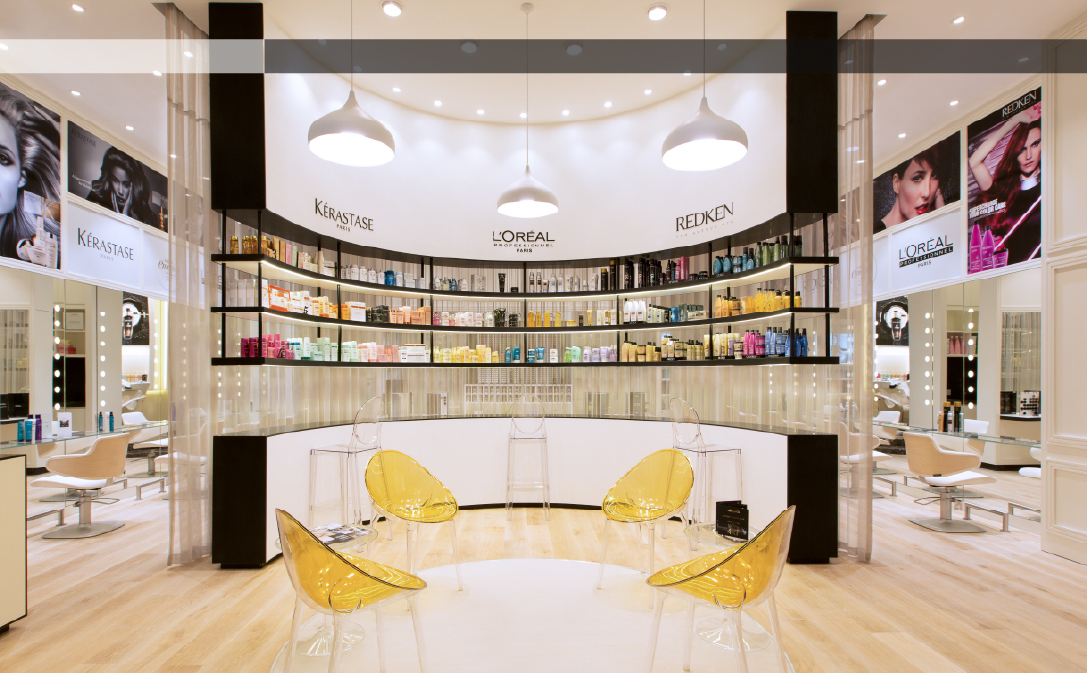

Founded in 1999, Belle Femme Beauty Salon is a name synonymous with luxury, innovation, and excellence in the beauty industry. For over two and half decades, we have been the ultimate destination for women seeking bespoke beauty experiences tailored to their desires.
Renowned for our signature treatments, we offer a comprehensive range of services, from hair treatments and extensions to Moroccan baths, body sculpting massages, skincare, makeup, and nail care. With a strong focus on luxury, comfort, and hygiene, our brand has expanded to include:
Whether you need a facial at home, a quick manicure, a hair transformation, or a rejuvenating spa session, Belle Femme is your answer. Our exclusive network also provides access to high-end hair products, accessories, makeup, lip liners, eyelash extensions, and microblading services.
"De Atatea Ori" (meaning "So Many Times") is a poignant masterpiece of Romanian literature, written by the "morning star" of Romanian poetry, . The poem is a profound meditation on the themes of unrequited love, the passage of time, and the painful distance between the ideal and the reality of human connection. The Cycle of Longing
True to the Romantic tradition, Eminescu uses the natural world to reflect the speaker’s internal state. The setting is often nocturnal or twilight-hued, emphasizing a sense of mystery and isolation. The "cold wind" and the "rustling leaves" aren't just background noise; they are participants in his grief, echoing the silence and lack of response from the beloved’s darkened window. The Ideal vs. The Real
The title itself establishes a theme of repetition and obsession. The poem describes the speaker’s habitual, almost ritualistic, visits to the gate of his beloved. This repetition suggests a soul trapped in a loop of hope and despair. Eminescu captures the essence of "dor"—a unique Romanian word for longing—where the act of waiting becomes as significant as the person being waited for. Nature as a Mirror
"De Atatea Ori" remains a staple of Romanian culture because it speaks to a universal human experience: the quiet, dignified suffering of someone who loves more than they are loved. Through his masterful use of rhythm and evocative imagery, Eminescu transforms a simple story of a man standing outside a house into an eternal monument to human sensitivity and the melancholy of the passing hours.
A central conflict in the essay of this poem is the "blue flower" motif—the pursuit of an unattainable, ethereal love. The beloved in "De Atatea Ori" is not a tangible person who interacts with the poet; she is a silhouette, a memory, or a dream. This distance elevates the love from a common romance to a philosophical tragedy. The poet loves the image of her, and the pain stems from the realization that this image can never be fully grasped in the physical world. Conclusion


"De Atatea Ori" (meaning "So Many Times") is a poignant masterpiece of Romanian literature, written by the "morning star" of Romanian poetry, . The poem is a profound meditation on the themes of unrequited love, the passage of time, and the painful distance between the ideal and the reality of human connection. The Cycle of Longing
True to the Romantic tradition, Eminescu uses the natural world to reflect the speaker’s internal state. The setting is often nocturnal or twilight-hued, emphasizing a sense of mystery and isolation. The "cold wind" and the "rustling leaves" aren't just background noise; they are participants in his grief, echoing the silence and lack of response from the beloved’s darkened window. The Ideal vs. The Real
The title itself establishes a theme of repetition and obsession. The poem describes the speaker’s habitual, almost ritualistic, visits to the gate of his beloved. This repetition suggests a soul trapped in a loop of hope and despair. Eminescu captures the essence of "dor"—a unique Romanian word for longing—where the act of waiting becomes as significant as the person being waited for. Nature as a Mirror
"De Atatea Ori" remains a staple of Romanian culture because it speaks to a universal human experience: the quiet, dignified suffering of someone who loves more than they are loved. Through his masterful use of rhythm and evocative imagery, Eminescu transforms a simple story of a man standing outside a house into an eternal monument to human sensitivity and the melancholy of the passing hours.
A central conflict in the essay of this poem is the "blue flower" motif—the pursuit of an unattainable, ethereal love. The beloved in "De Atatea Ori" is not a tangible person who interacts with the poet; she is a silhouette, a memory, or a dream. This distance elevates the love from a common romance to a philosophical tragedy. The poet loves the image of her, and the pain stems from the realization that this image can never be fully grasped in the physical world. Conclusion


