










"Cut!" Marcus yelled. There was a pause on the set, that rare, breathless silence that happens when forty crew members simultaneously forget they are at work. Marcus walked slowly onto the floor, rubbing the back of his neck. "That was... that was terrifying, Clara."
The screen might not love her with the reckless passion of her youth anymore. But as Clara smiled at her reflection, she realized she didn't care. She finally loved the woman on the screen, and that was the greatest performance of her life.
But in that silence, Clara drew on everything. She drew on the memory of her own children leaving for college. She drew on the thirty years she had spent navigating a male-dominated industry that tried to put an expiration date on her talent. She drew on the quiet, fierce power that comes only when a woman stops asking for permission to take up space.
The scene began. The young actor playing her son delivered his lines with a calculated, twitchy energy designed to draw the eye. Clara did very little. She didn't weep. She didn't raise her voice. She simply held a crystal wine glass and watched him.
Clara stood up, smoothing the linen of her character’s trousers. She didn’t check the mirror. She knew what was there.
The screen did not love Clara Vance the way it used to; it respected her now, which was a far more terrifying thing [1, 2].
On set, the atmosphere was a humming machine of cables, shadows, and hushed voices. In the center of it stood Marcus, a thirty-year-old wunderkind director who wore vintage band t-shirts and spoke in the breathless, rapid-fire sentences of someone who had never been told "no."
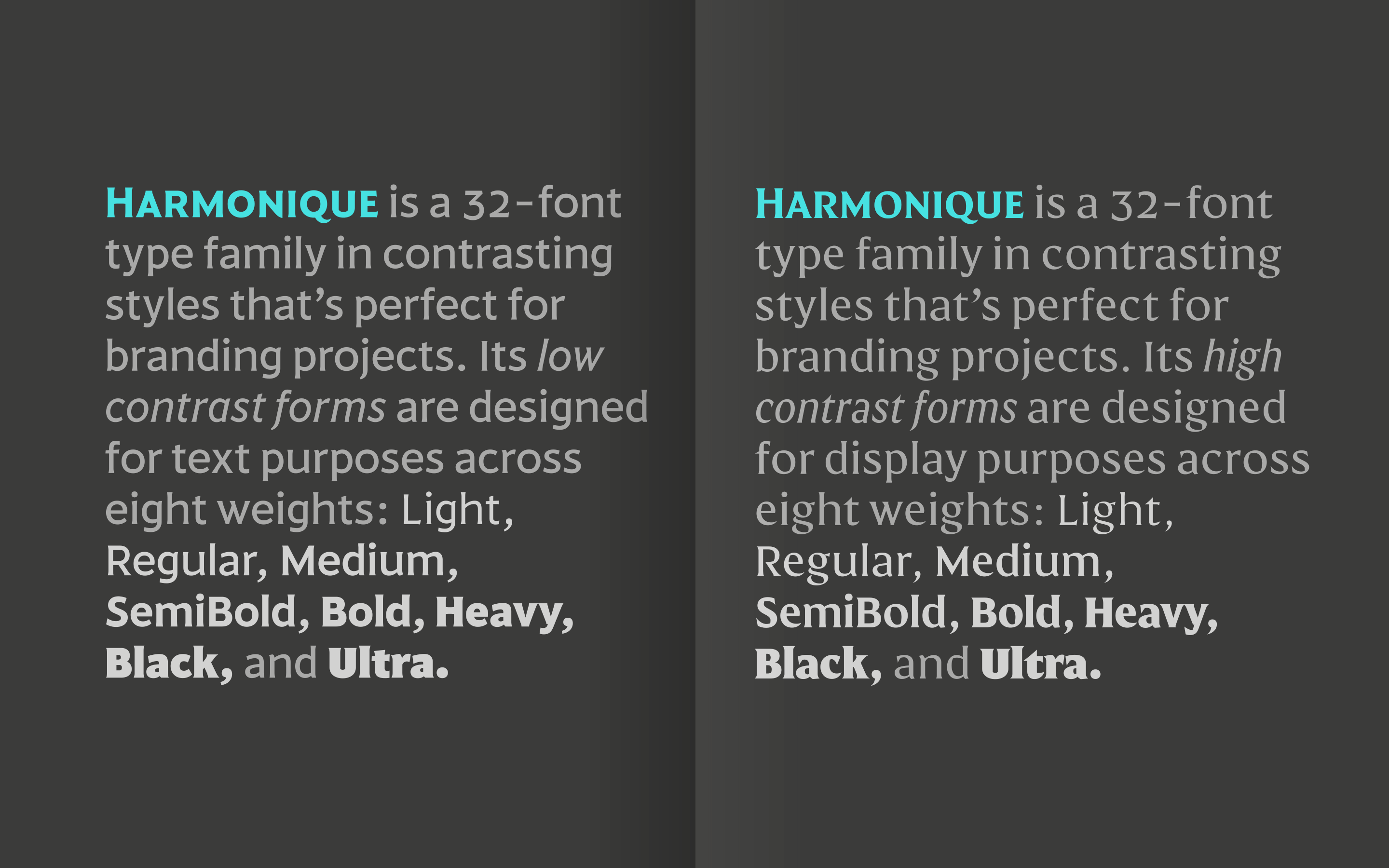
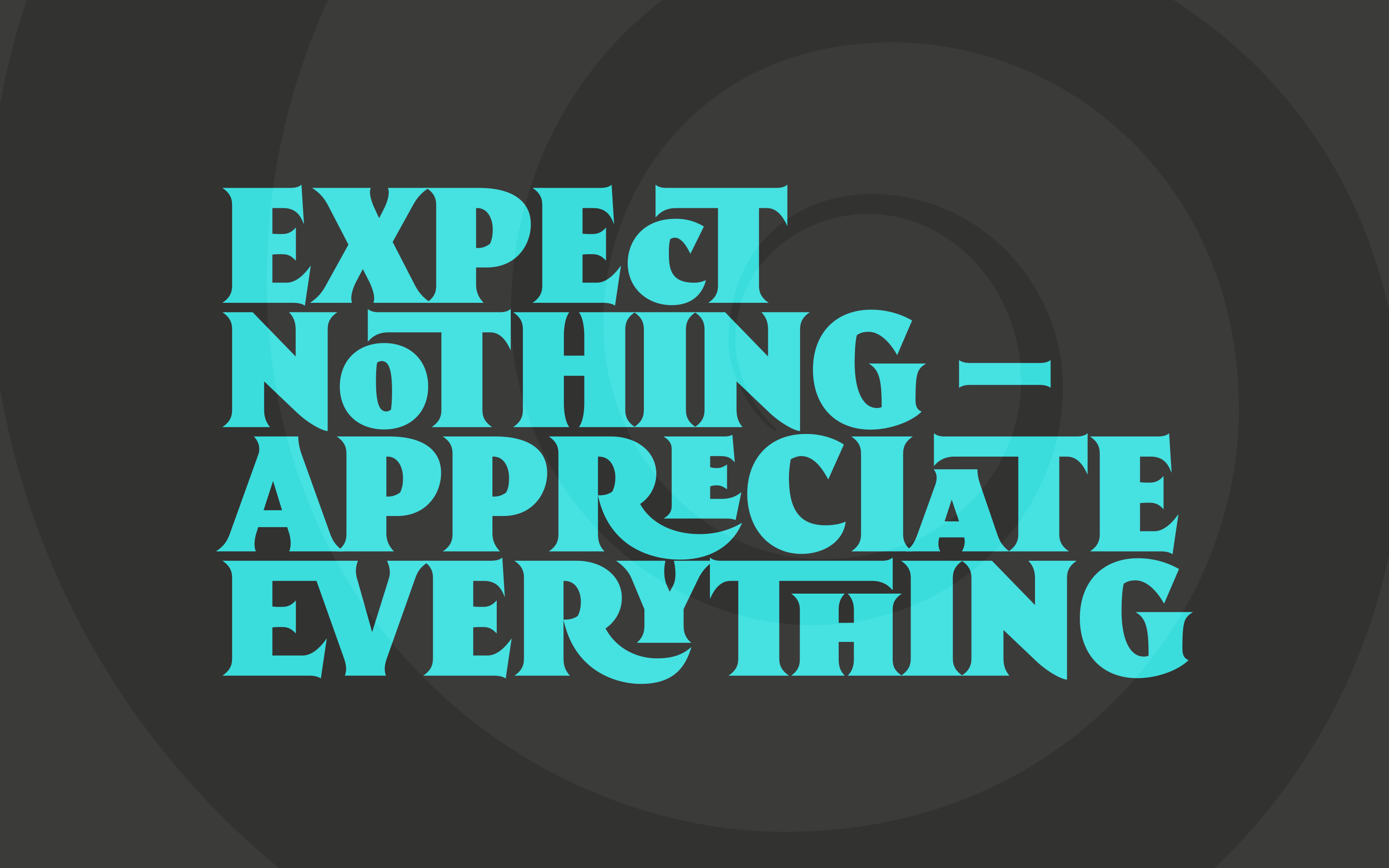
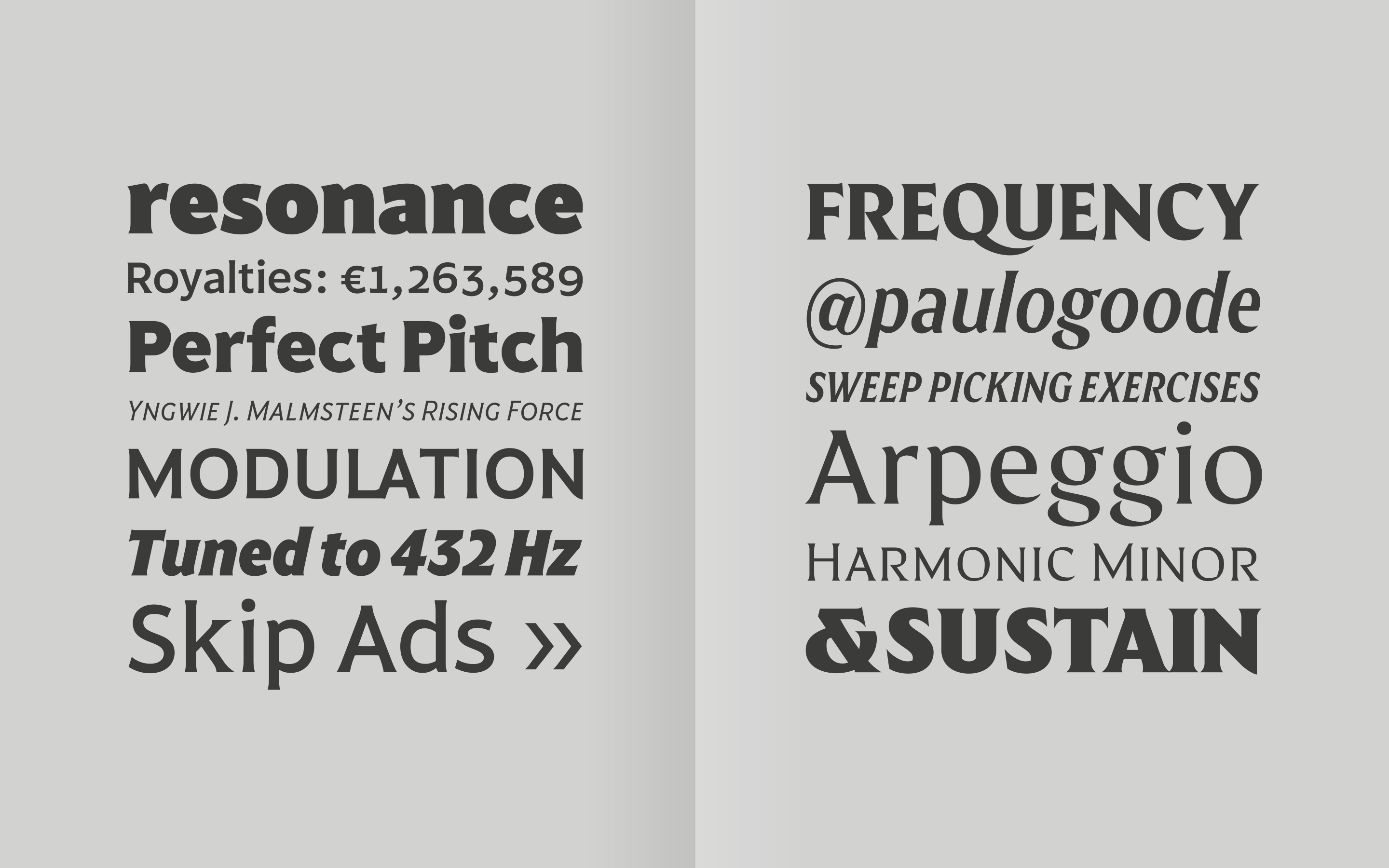
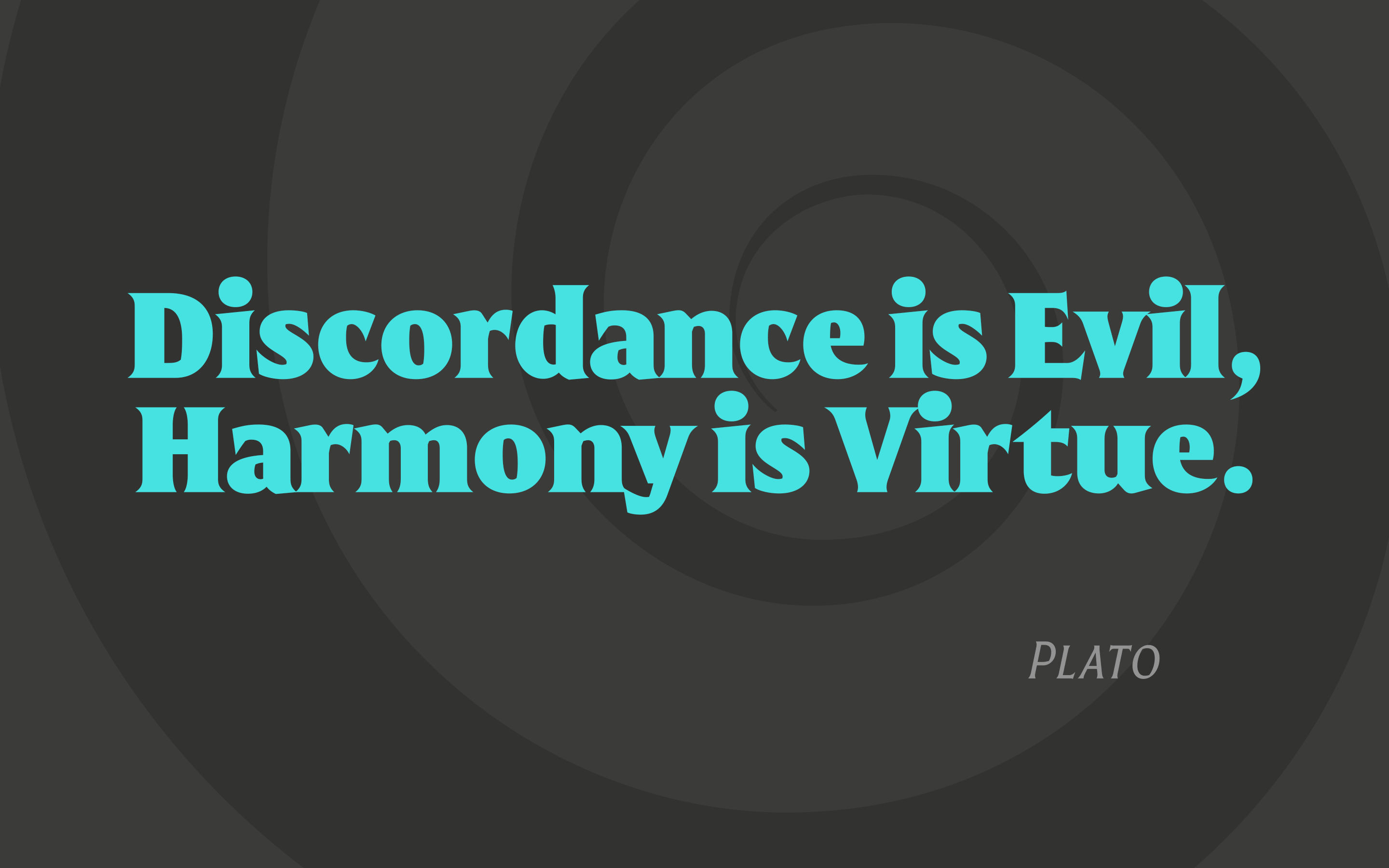
This typeface is available exclusively through MyFonts
or with a Monotype Fonts subscription.

