Borrowing Money To Buy A Business 🆕 Full

Borrowing money to buy a business is a cornerstone of modern entrepreneurship, often referred to as an Acquisition Loan or a Leveraged Buyout (LBO). While the idea of starting a venture with significant debt can be intimidating, it is a strategic move that allows entrepreneurs to acquire cash-flowing assets that would otherwise be out of financial reach. When executed correctly, borrowing serves as a powerful lever to amplify returns; however, it requires a disciplined approach to risk management and financial due diligence. The Logic of Leverage

In the United States, the Small Business Administration (SBA) offers 7(a) loans, which are popular for business acquisitions because they offer long repayment terms and relatively low down payments (often around 10%).

Furthermore, over-leveraging can "strangle" a business. If too much of the monthly profit goes toward paying off debt, there may not be enough capital left to invest in marketing, equipment upgrades, or emergency repairs, leading to a slow decline in competitiveness. Conclusion

Borrowing money to buy a business is a sophisticated financial strategy that bridges the gap between ambition and reality. It transforms the act of buying a job into the act of acquiring an investment. Success in this arena depends less on the ability to secure the loan and more on the ability to identify a resilient business with stable cash flows that can comfortably support the weight of its own acquisition.

Entrepreneurs typically look to several key sources for acquisition capital:

This occurs when the seller agrees to accept a portion of the purchase price over time, essentially acting as the bank. This not only reduces the amount needed from traditional lenders but also signals the seller’s confidence in the business's future success.

These are typically reserved for buyers with strong credit and businesses with significant tangible assets (real estate or equipment) that can serve as collateral. Risk and Responsibility

The most significant risk of borrowing is "debt service"—the fixed monthly payment that must be made regardless of whether the business has a slow month. If the company’s cash flow dips below the level required to pay the lenders, the owner risks default and the loss of both the business and any personal assets pledged as collateral.

How to Translate from Arabic to Tamil


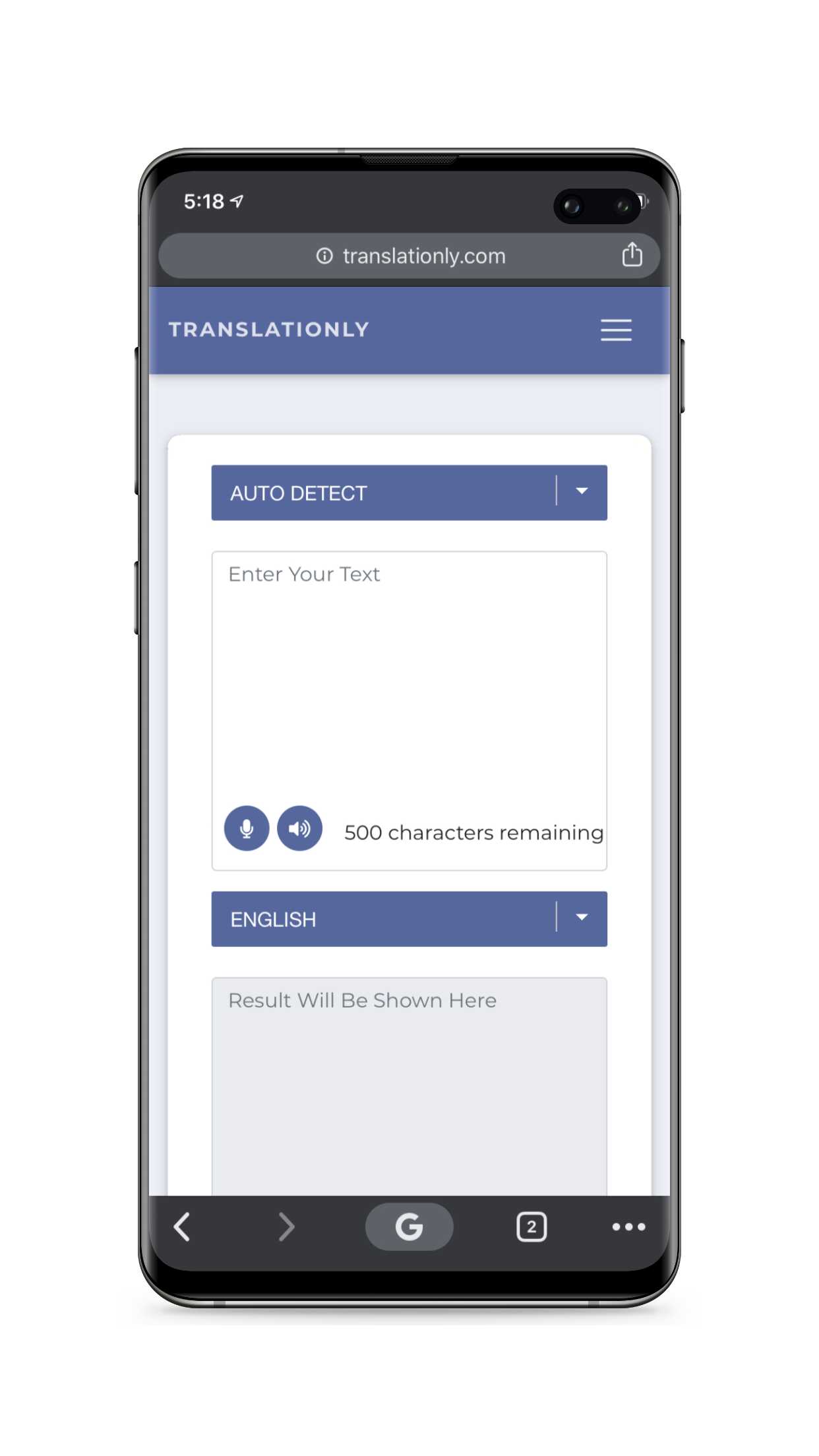
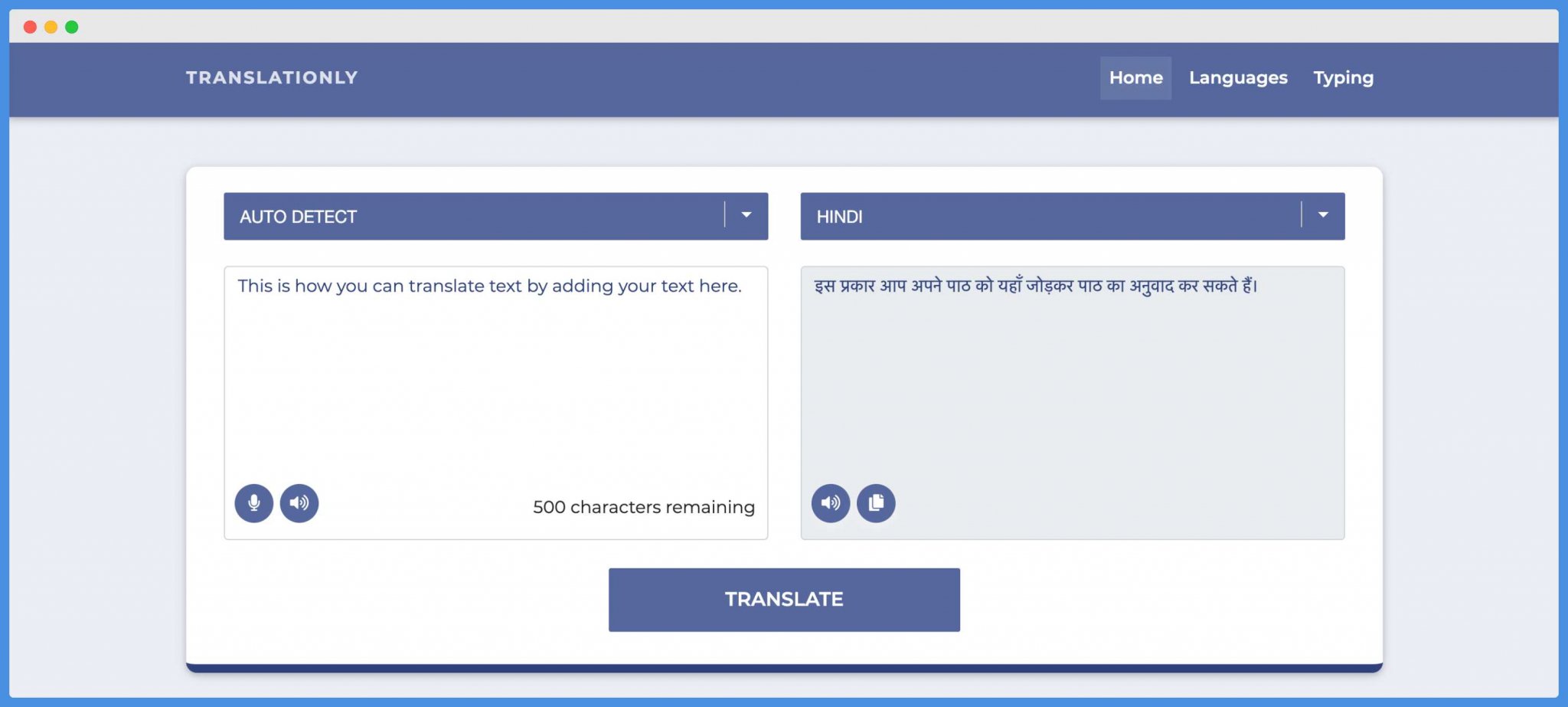
If you're having trouble translating your text from one language to another using translationly, then you can follow these steps to translate your text perfectly.

To translate your text, first of all, you've to choose the "Arabic as input language" and "Tamil as output language" in translationly. You can also check our supported languages for translation here.

borrowing money to buy a business

Once you've chosen the "input" and "output" language, enter your text to be translated in the first box, or the input box (We recommend the text you want to translate must be the plain text for better translation).

borrowing money to buy a business

Once you have entered the text which is to be translated in the input box, click on the "Translate" button, and you'll get the output of translated text in your preferred language.

borrowing money to buy a business

Not enough?

Use our App

The App is free and easy to use with all the functionality of Translationly.

100+ languages to choose from

Our impressive flexibility of multilingual language translation is what make it more impressive.

Talk to write

Save your time and hassle to write. Just speak and our AI will write for you. borrowing money to buy a business

Fully Responsive

A website designed to be used on any kind of platform available. No worries for browser compatibility.

100+ Typing Languages

Not only we translate to different language. We also provide you with the facility to write your native vocabulary in any language and convert it to yours native. Borrowing money to buy a business is a

API Available

Want to use tranlationly to translate content of your website or to traslate your blog post as you write? Use our API.

One for All

One API for all the features to use on your website. The Logic of Leverage In the United States,

Easy to use & customize

Our API Feature is much easy to use and highly customization as per your need.

Borrowing money to buy a business is a cornerstone of modern entrepreneurship, often referred to as an Acquisition Loan or a Leveraged Buyout (LBO). While the idea of starting a venture with significant debt can be intimidating, it is a strategic move that allows entrepreneurs to acquire cash-flowing assets that would otherwise be out of financial reach. When executed correctly, borrowing serves as a powerful lever to amplify returns; however, it requires a disciplined approach to risk management and financial due diligence. The Logic of Leverage

In the United States, the Small Business Administration (SBA) offers 7(a) loans, which are popular for business acquisitions because they offer long repayment terms and relatively low down payments (often around 10%).

Furthermore, over-leveraging can "strangle" a business. If too much of the monthly profit goes toward paying off debt, there may not be enough capital left to invest in marketing, equipment upgrades, or emergency repairs, leading to a slow decline in competitiveness. Conclusion

Borrowing money to buy a business is a sophisticated financial strategy that bridges the gap between ambition and reality. It transforms the act of buying a job into the act of acquiring an investment. Success in this arena depends less on the ability to secure the loan and more on the ability to identify a resilient business with stable cash flows that can comfortably support the weight of its own acquisition.

Entrepreneurs typically look to several key sources for acquisition capital:

This occurs when the seller agrees to accept a portion of the purchase price over time, essentially acting as the bank. This not only reduces the amount needed from traditional lenders but also signals the seller’s confidence in the business's future success.

These are typically reserved for buyers with strong credit and businesses with significant tangible assets (real estate or equipment) that can serve as collateral. Risk and Responsibility

The most significant risk of borrowing is "debt service"—the fixed monthly payment that must be made regardless of whether the business has a slow month. If the company’s cash flow dips below the level required to pay the lenders, the owner risks default and the loss of both the business and any personal assets pledged as collateral.

borrowing money to buy a business